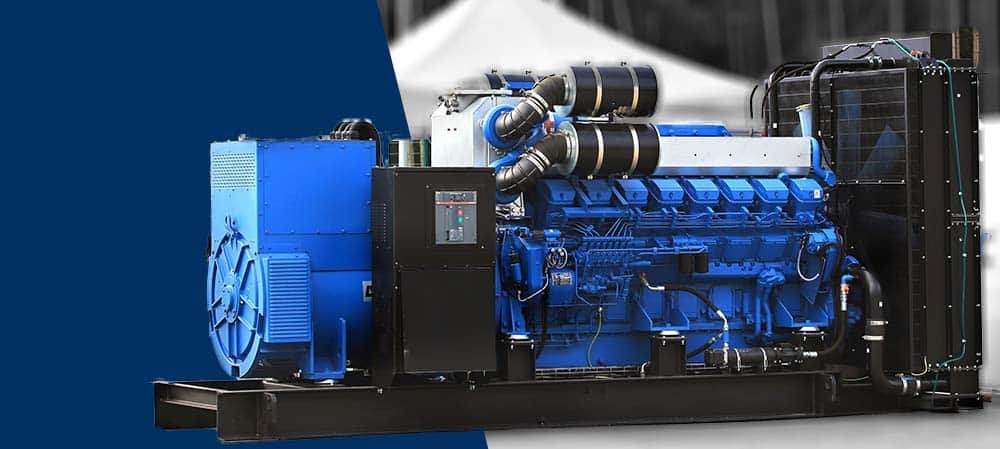
When the power goes out, a generator can feel like a lifeline, bringing light, warmth, and a sense of normalcy back to your home or business. But beneath that promise of restored power lies a serious responsibility. Operating a generator without strict adherence to essential safety protocols for generator use isn't just risky; it can be fatal. From invisible carbon monoxide (CO) fumes to electrical shocks and fire hazards, these powerful machines demand respect and diligence. This comprehensive guide will arm you with the knowledge to harness your generator's power safely, protecting your loved ones, your property, and your peace of mind.
At a Glance: Key Generator Safety Takeaways
- Outdoor Placement is Non-Negotiable: Always operate generators outdoors, far from windows and doors, to prevent deadly carbon monoxide poisoning.
- Ground Your Generator: Proper grounding protects against electrical shock hazards.
- Handle Fuel with Care: Refuel only when the generator is off and cool, using the correct fuel type, and store fuel safely away from heat sources.
- Avoid Overloading: Stick to the generator's wattage limits to prevent damage and fire.
- Use Heavy-Duty Extension Cords: Ensure cords are rated for outdoor use and can handle the electrical load.
- Never Backfeed: Do not plug a generator directly into a wall outlet; this can electrify utility lines and endanger workers.
- Maintain Regularly: Follow the manufacturer's maintenance schedule for oil changes, filter replacements, and electrical checks.
- Be Emergency Ready: Keep a fire extinguisher nearby and know your emergency shutdown procedures. Install CO detectors in your home.
The Unseen Threat: Why Generator Safety Matters So Much
Generators are marvels of modern engineering, providing convenient, portable power. Yet, their very function—burning fuel to create electricity—introduces significant hazards. The primary culprits behind most generator-related incidents are:
- Carbon Monoxide (CO) Poisoning: Often called the "silent killer," CO is an odorless, colorless gas produced by burning gasoline, propane, natural gas, or diesel. Inhaling CO replaces oxygen in your bloodstream, leading to dizziness, nausea, unconsciousness, and death. It's the most common cause of generator-related fatalities.
- Electrical Shock and Electrocution: Improper grounding, damaged cords, or operating in wet conditions can turn your generator into an electrocution risk. "Backfeeding," or plugging a generator directly into a wall outlet, is exceptionally dangerous as it sends power back into the utility grid, potentially electrocuting utility workers.
- Fire Hazards: Generators operate with flammable fuels and generate significant heat. Fuel spills, improper storage, overheating from overloading, or faulty wiring can quickly ignite a devastating fire.
- Mechanical Injuries: Moving parts, hot engine components, and the sheer force of the machine can cause burns, cuts, or other physical injuries if not handled with care.
Understanding these risks isn't about fear-mongering; it's about empowerment. Knowing the dangers allows you to take concrete, preventative steps to ensure safety.
Beyond the Basics: Foundational Safety Principles for Generator Use
Before you even think about starting your generator, a few foundational principles must be ingrained. These aren't just rules; they're commitments to best practices that protect both your equipment and the people around it.
Comprehensive Training and Familiarity
Generators aren't "plug-and-play" devices. They are complex machines, and each model has its own specific quirks and operational requirements. The very first step in safety is familiarizing yourself thoroughly with your specific unit.
- Read the Manual (Seriously!): It's not optional. Your generator's owner's manual contains critical information on safe setup, operation, maintenance, and troubleshooting specific to your model. Different unit types, whether a smaller portable gasoline generator or a larger diesel standby unit, will have unique protocols.
- Understand Your Unit's Capabilities: Know its wattage output, fuel type, oil capacity, and special features. Never assume one generator operates exactly like another.
- Train All Potential Operators: If multiple people might need to operate the generator, ensure everyone receives proper training. This includes understanding potential hazards and mitigation protocols.
Regular Review and Updates
Safety protocols aren't static. Technology evolves, best practices improve, and your own experience grows. Regularly reviewing and updating your safety plan is crucial. This might involve:
- Annual Refreshers: Before storm season or during your spring cleaning, take time to re-read the manual, test your emergency equipment, and review procedures.
- Staying Informed: Follow manufacturer guidelines, industry updates, and local safety recommendations.
- Practice Drills: If your situation warrants it (e.g., a business with multiple operators), conduct practice runs for setup and shutdown procedures.
Setting the Stage: Placement and Setup That Saves Lives
The physical location of your generator is arguably the single most critical safety decision you'll make. Get this wrong, and the consequences can be dire.
The Golden Rule: Outdoors, Always Outdoors
This cannot be stressed enough: Never operate a generator indoors, in a garage (even with the door open), in a carport, or in any partially enclosed space. The reason is simple and deadly: carbon monoxide.
- Preventing CO Buildup: Generators exhaust lethal levels of CO. Outdoors, the gas dissipates harmlessly into the atmosphere. Indoors, it accumulates rapidly, silently poisoning anyone present. Even open doors or windows aren't enough to prevent dangerous CO levels from building up.
- Optimal Placement: Place your generator at least 20 feet (6 meters) from your home, away from any windows, doors, or vents that could allow exhaust fumes to seep inside. Direct the exhaust away from occupied buildings. Consider prevailing wind patterns if possible.
- CO Detectors Are Essential: While outdoor placement is primary, CO detectors provide a vital backup layer of protection. Install battery-operated or battery-backup CO detectors on every level of your home, especially near sleeping areas. Test them regularly.
Stability and Security: A Firm Foundation
A generator, especially when running, vibrates significantly. Proper placement on a stable, flat surface is crucial for both safety and equipment longevity.
- Flat, Level Surface: An uneven surface can cause the generator to tip over, leading to fuel spills, electrical damage, or even a runaway machine.
- Secure Placement: If possible, secure the generator to prevent it from moving or being stolen. This can be done with chains or dedicated generator pads, especially for larger units.
- Avoid Soft Ground: Placing a generator on soft soil or gravel can lead to it sinking or becoming unstable over time. A concrete pad or sturdy wooden platform is ideal.
Grounding: Your Electrical Guardian
Proper grounding protects you from electrical hazards by providing a safe path for stray electrical current to dissipate into the earth, preventing shock.
- Why Grounding Matters: If there's an electrical fault within the generator, grounding ensures that current travels to the earth instead of through you.
- How to Ground: Most portable generators require external grounding. This typically involves connecting a grounding wire from the generator's grounding terminal to a grounding rod driven at least 8 feet into the earth. Always consult your generator's manual for specific grounding instructions.
- Bonded vs. Floating Neutral: Some generators have a "bonded neutral" (where the neutral wire is connected to the generator's frame), while others have a "floating neutral." Understanding your generator's configuration is crucial, especially if you plan to connect a generator to your home's electrical system via a transfer switch, which necessitates proper electrical work.
Weather Protection: A Shield, Not a Shroud
Operating a generator in wet conditions (rain, snow) can create a severe electrocution hazard. However, simply covering it without ventilation is equally dangerous.
- Generator-Specific Covers: If outdoor use in wet weather is necessary, use a generator-specific cover or enclosure designed to protect it from moisture while ensuring adequate airflow. These covers typically have open sides or vents to prevent heat buildup and allow exhaust fumes to escape freely.
- Never Cover with Tarps: Standard tarps can impede ventilation, causing the generator to overheat or trap deadly CO fumes. They can also melt onto hot engine parts.
- Clear the Area: Ensure the area around the generator is clear of debris, dry leaves, and any other flammable materials.
Powering On Safely: Operating Your Generator with Confidence
Once your generator is properly placed and grounded, the next critical phase is operation. This involves more than just pulling a cord; it's a careful sequence of steps designed to prevent damage and ensure continuous safety.
The Start, Load, and Stop Dance
Familiarity with your generator's specific operational procedures is key. While models vary, the general sequence remains consistent:
- Preparation (Pre-Start Check): Before starting, perform a quick visual inspection. Check fuel and oil levels. Look for any loose connections, leaks, or damage. Ensure the area around the generator is clear.
- Starting Procedure: Follow the manual's instructions precisely. This usually involves opening the fuel valve, setting the choke, turning on the ignition, and then either pulling the recoil start cord or pressing the electric start button.
- Warm-Up: Allow the generator to run for a few minutes without a load to warm up. This helps the engine stabilize and ensures smooth operation.
- Connecting the Load: Only connect appliances or transfer the load after the generator is running smoothly. Connect items one at a time, starting with the highest wattage devices if you're managing power carefully.
- Stopping Procedure: Before shutting down, disconnect all loads first. Allow the generator to run for a few minutes without a load to cool down. Then, follow the manual's shutdown sequence (e.g., turn off ignition, close fuel valve).
Adhering to Load Limits: Don't Overwork Your Machine
Every generator has a rated wattage output. Exceeding this limit, known as overloading, can lead to serious problems.
- Risk of Overheating: Overloading forces the generator to work harder than it's designed to, leading to excessive heat buildup.
- Electrical Faults and Fire: Overheating can damage internal components, melt wiring insulation, and potentially cause electrical fires.
- Generator Damage: Chronic overloading significantly shortens the lifespan of your generator's engine and alternator.
- Understanding Wattage: Calculate the total wattage of all appliances you plan to run simultaneously. Remember that many appliances have a "starting wattage" (surge wattage) that is much higher than their "running wattage." Ensure your generator can handle the peak demand.
The Peril of Extension Cords: Not All Cords Are Created Equal
Extension cords are a common point of failure and hazard if not chosen and used correctly.
- Heavy-Duty and Outdoor Rated: Always use extension cords rated for outdoor use (marked "W" for weather resistant) and with the appropriate gauge (thickness) for the electrical load they will carry. Undersized cords can overheat and cause fires.
- Keep Them Short: Use the shortest possible extension cord to minimize voltage drop and potential hazards.
- Inspect Regularly: Check cords for cuts, fraying, or exposed wires before each use. Never use damaged cords.
- Avoid Overloading Cords: Don't plug multiple high-wattage appliances into a single extension cord, even if the cord is heavy-duty.
- Keep Them Dry: Do not run extension cords through water or allow them to sit in puddles.
Never Backfeed Your Home
This is a critical safety warning that cannot be overstated.
- The Danger of Backfeeding: Plugging your generator directly into a wall outlet ("backfeeding") can send electricity back into the utility grid. This poses an extreme electrocution risk to utility workers who may be working on downed lines, unaware that your house is sending power back.
- Legal and Code Violations: Backfeeding is illegal and violates electrical codes in most places.
- Safe Home Connection: If you want to power your home's circuits directly, you must use a professionally installed manual transfer switch. This device safely isolates your home's electrical system from the utility grid before allowing generator power to flow through your circuits. Consult a qualified electrician for this complex installation.
The Lifeline: Fueling Your Generator Without Risk
Fuel is the lifeblood of your generator, but it's also a highly flammable substance. Handling and storing it safely is paramount.
The Right Fuel, the Right Way
- Always Use the Correct Fuel: Most portable generators run on gasoline, but some use propane or diesel. Never mix fuels or use a fuel type not specified by the manufacturer. Using the wrong fuel can damage the engine and create fire hazards.
- Never Refuel a Hot Generator: Heat and flammable fumes are a deadly combination. Always turn off the generator and allow it to cool down completely (at least 15-20 minutes) before refueling. Hot engine parts can ignite spilled fuel.
- Refuel Outdoors: Spilled fuel and vapors are hazardous. Always refuel in a well-ventilated outdoor area.
- Use a Funnel: A funnel minimizes spills and ensures fuel goes where it's supposed to.
- Don't Overfill: Leave a little space at the top of the fuel tank to allow for expansion.
Safe Fuel Storage: A Separate, Secure Spot
- Approved Containers Only: Store fuel in clearly labeled, approved containers (e.g., UL-listed plastic or metal gasoline cans). Never use old milk jugs or other inappropriate containers.
- Cool, Dry, Ventilated Area: Store fuel in a cool, dry, well-ventilated location, ideally a detached shed or garage, away from living areas, heat sources, and direct sunlight.
- Away from Ignition Sources: Keep fuel away from pilot lights, open flames, sparks, and any other potential ignition sources.
- Secure from Children and Pets: Ensure fuel is stored out of reach of children and pets.
- Stabilize Fuel: If you're storing gasoline for more than a few months, use a fuel stabilizer to prevent degradation and keep your generator ready for use.
Keeping It Running Right: Essential Maintenance for Longevity and Safety
A well-maintained generator is a safe generator. Neglecting maintenance not only shortens its lifespan but also increases the risk of malfunction, electrical faults, and fire.
Scheduled Inspections and Preventative Care
Your generator's manual will outline a detailed maintenance schedule. Adhering to this is non-negotiable.
- Before Each Use: Check oil levels, fuel levels, and air filter. Look for any visible damage, leaks, or loose parts.
- Regular Intervals (e.g., every 50-100 hours of use or annually):
- Oil Changes: Regularly perform oil changes using the recommended type and viscosity. Clean, fresh oil is vital for engine health.
- Air Filter Replacements: A dirty air filter restricts airflow, reducing efficiency and potentially leading to overheating.
- Spark Plug Inspection/Replacement: A clean, properly gapped spark plug ensures reliable starting and efficient combustion.
- Fuel Filter Inspection: Ensure the fuel filter is clean and free of debris to prevent fuel delivery issues.
- Electrical Inspections: Routinely clean and check all electrical connections. Faulty or loose wiring is a common cause of malfunctions, arcing, and fires. Look for signs of corrosion or melting.
- Battery Check (Electric Start Models): Keep the battery charged and terminals clean.
Personal Protective Equipment (PPE) for Maintenance
When performing maintenance, especially when dealing with fluids or mechanical parts, proper PPE is essential.
- Gloves: Protect your hands from fuel, oil, grease, and sharp edges.
- Safety Glasses: Safeguard your eyes from splashes, debris, or flying particles.
- Mask: If working in dusty conditions or around fumes, a mask can protect your respiratory system.
- Appropriate Clothing: Avoid loose clothing that could get caught in moving parts.
Storage for Non-Use
When the generator isn't needed for extended periods, proper storage is crucial.
- Drain Fuel: For gasoline generators, it's best to drain the fuel tank and carburetor (or run the generator until it runs out of fuel) to prevent fuel degradation and gumming up the carburetor. Add fuel stabilizer if draining isn't feasible.
- Store in a Dry Place: Protect the generator from moisture and extreme temperatures.
- Cover It: Use a generator cover to protect it from dust and debris.
When Things Go Wrong: Emergency Preparedness You Can Count On
Even with the strictest protocols, emergencies can happen. Being prepared to respond quickly and effectively can minimize harm.
Emergency Shutdown Procedures
Everyone who might operate the generator should know how to shut it down rapidly in an emergency.
- Immediate Action: If you notice smoke, fire, strange noises, or any other alarming behavior, know the sequence to safely cut power and stop the engine. This usually involves disconnecting the load, turning off the ignition, and closing the fuel valve.
- Practice It: Walk through the emergency shutdown procedure mentally, or even physically, so it becomes second nature under pressure.
Fire Extinguishers: Your First Line of Defense
- Readily Available: Keep a fully charged, appropriate fire extinguisher (Class B for flammable liquids) within easy reach of the generator.
- Know How to Use It: Familiarize yourself with the "PASS" method: Pull the pin, Aim at the base of the fire, Squeeze the handle, Sweep from side to side.
- Beyond Your Capability: If a fire starts and you cannot quickly extinguish it with a small extinguisher, evacuate immediately and call emergency services.
Carbon Monoxide Detectors: Silent Sentinels
We've mentioned them, but they bear repeating due to their critical role.
- Strategic Placement: Install CO detectors on every level of your home, especially near sleeping areas and anywhere fuel-burning appliances are located.
- Regular Testing: Test CO detectors monthly and replace batteries annually, or as recommended by the manufacturer.
- Trust the Alarm: If a CO detector alarms, evacuate everyone immediately to fresh air and call 911. Do not re-enter the building until emergency services confirm it is safe.
Professional Intervention and Expert Partners
For complex situations, escalating emergencies, or when you simply need peace of mind, professional help is invaluable.
- Specialized Knowledge: Companies like Hatton Power & Propulsion offer specialized knowledge and rapid response for generator issues. Building a relationship with a reliable expert partner for installation, maintenance, or emergency service enhances your overall preparedness.
- Complex Electrical Work: Any work involving connecting a generator to your home's electrical system (like installing a transfer switch) must be done by a licensed electrician.
- Major Repairs: If your generator requires significant repairs or you're unsure about a malfunction, call a qualified service technician. Attempting DIY repairs on complex internal systems can be dangerous.
Debunking Myths & Answering FAQs
Let's address some common questions and clear up a few misconceptions about generator use.
"Can I run my generator in my garage if the door is open?"
Absolutely NOT. This is a widespread and dangerous misconception. Even with the garage door wide open, carbon monoxide can quickly build to lethal levels inside and seep into your home through open doorways, windows, or cracks in the walls. Always operate generators at least 20 feet from your home in a fully open-air environment.
"How often should I test my generator?"
Ideally, you should run your generator under a moderate load for 20-30 minutes at least once a month. This "exercising" helps keep engine components lubricated, circulates fuel, and ensures it's ready to go when you truly need it. For standby generators, many have an automatic exercise mode.
"What size generator do I need?"
This isn't a safety question directly, but it impacts safe operation. You need to calculate the total running wattage of the essential items you want to power, plus the starting wattage of the largest motor you plan to run (e.g., refrigerator, well pump). Choose a generator with a wattage output that comfortably exceeds this sum. Overloading a generator is a significant safety hazard.
"Is it safe to leave a generator running overnight?"
If properly placed outdoors and maintained, a generator can run for extended periods according to its fuel capacity and operational design. However, you must ensure:
- CO Detectors are operational inside your home.
- The generator has adequate fuel to last.
- It's on a stable surface and away from any potential fire hazards.
- It's not running in the rain without appropriate weather protection.
- Regular checks (visual and for fuel) are still a good idea, even if it's just a quick glance from a safe distance.
"Can I use automotive oil in my generator?"
Always use the type and viscosity of oil recommended in your generator's owner's manual. While some automotive oils might be similar, specific generator engines often have different requirements. Using the wrong oil can lead to premature wear and engine damage.
Beyond the Manual: Building a Culture of Safety
Generator safety isn't just about following a checklist; it's about cultivating a mindset. It's about being proactive, understanding risks, and making informed decisions every time you interact with your generator.
- Invest in Quality: A well-built, reliable generator from a reputable manufacturer is often safer and more durable than a cheap, no-name alternative.
- Regular Professional Servicing: Just like your car, your generator benefits from periodic professional servicing. A technician can spot potential issues you might miss, such as worn belts, corroded wiring, or failing components, before they become dangerous.
- Share Knowledge: Educate your family, neighbors, or employees about generator safety. The more people who understand the risks and protocols, the safer your community becomes.
- Stay Prepared, Not Panicked: Having a robust safety plan, the right equipment, and the knowledge to use it means you can face power outages with confidence, not fear.
Your Power, Your Responsibility: Final Steps for Safe Generator Use
A generator offers invaluable security and comfort during outages, but that power comes with a weighty responsibility. By embracing these essential safety protocols for generator use, you're not just following rules; you're actively safeguarding lives and property.
Take the time to:
- Read and understand your generator's manual.
- Commit to outdoor-only, well-ventilated placement.
- Ensure proper grounding and electrical connections.
- Practice safe fueling habits.
- Perform regular maintenance.
- Equip your home with working CO detectors.
- Have a fire extinguisher readily available.
- Know your emergency shutdown procedures.
- Consider professional installation or servicing for complex needs.
By making these protocols a habit, you transform a potential hazard into a reliable, safe source of power. Be vigilant, be prepared, and stay safe.