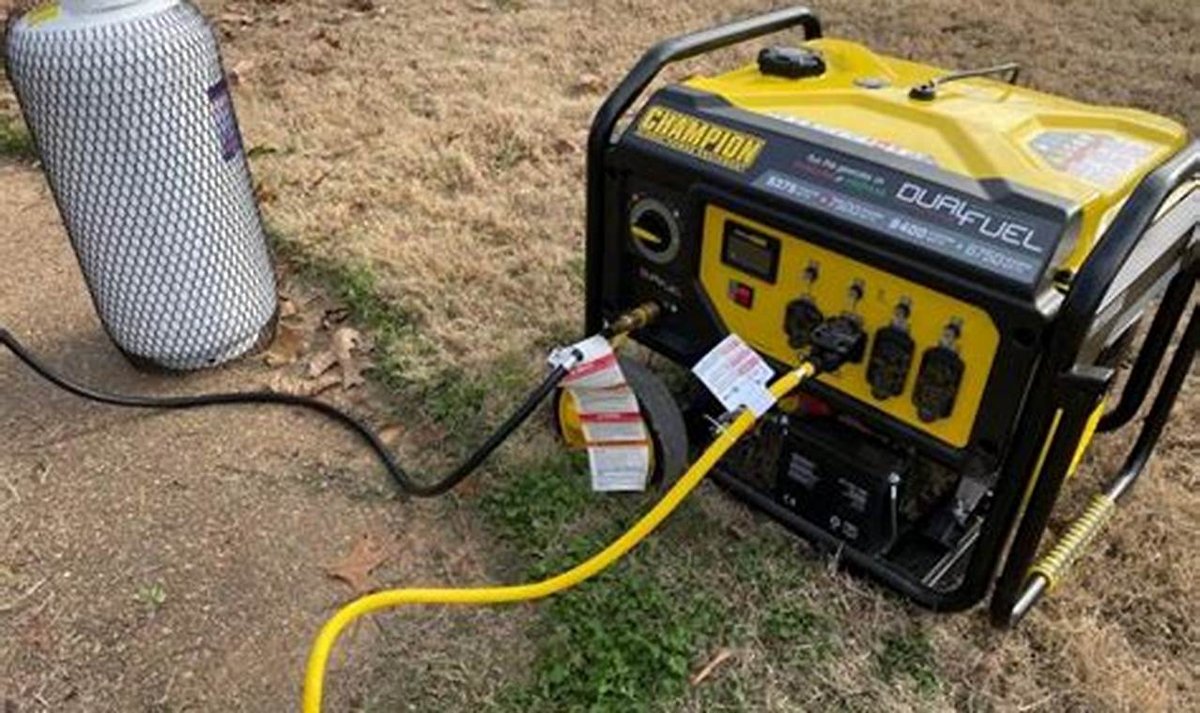
Picture this: the lights flicker, then plunge your home or business into sudden darkness. Beyond the inconvenience, a power outage can disrupt critical operations, spoil food, and even compromise safety. That's where a reliable generator steps in, offering a crucial lifeline. But simply owning one isn't enough; proper installation and setup are paramount. This Step-by-Step Guide for Generator Setup & Startup will walk you through everything you need to know to ensure your backup power source is ready when you need it most.
It’s not just about flipping a switch; a generator is a complex piece of equipment. Incorrect installation can lead to severe consequences: power surges that fry sensitive electronics, electrical fires, dangerous carbon monoxide hazards, voided warranties, non-compliance with local building codes, costly repairs, and inefficient fuel use. Our goal is to equip you with the knowledge to make informed decisions for a safe, efficient, and long-lasting generator system.
At a Glance: Your Generator Setup Essentials
- Generator Choice is Key: Select the right type and size based on your specific power needs.
- Location, Location, Location: Prioritize safety and ventilation for your generator's placement.
- Permits & Professionals: Obtain necessary permits and enlist licensed electricians for critical connections.
- Transfer Switch is Non-Negotiable: This device is crucial for safely switching between grid and generator power.
- Regular Maintenance: Keep your generator running smoothly with routine checks and servicing.
- Safety First: Always follow carbon monoxide prevention and electrical safety guidelines.
More Than Just a Convenience: Why Reliable Power Matters
In today's interconnected world, reliable electricity is no longer a luxury—it's a necessity. For homes, it ensures comfort and safety; for businesses, it’s about continuity and protecting assets. Think about it: hospitals rely on generators for life support, data centers for critical information, and even your refrigerator needs power to keep food fresh. A robust backup power solution safeguards against the unpredictable, from severe storms to grid failures.
To choose the right solution, it helps to understand the main players:
- Standby Generators: These are the workhorses for homes, hospitals, and critical infrastructure. Permanently installed, they kick in automatically during an outage, typically fueled by natural gas, diesel, or propane. They offer seamless transition and peace of mind.
- Portable Generators: Your go-to for temporary power, these mobile units are excellent for smaller homes, outdoor events, or emergency use. They require manual startup and careful placement to prevent carbon monoxide hazards.
- Inverter Generators: Known for being quiet and fuel-efficient, inverter generators produce clean power ideal for sensitive electronics. They’re popular for camping, RVs, and lighter home backup needs.
- Industrial Generators: These are high-capacity behemoths designed for factories, data centers, and large commercial buildings. Their installation is significantly more complex, involving specialized ventilation, exhaust, and robust fuel storage systems.
No matter the type, the foundation of a successful generator system lies in meticulous planning and professional execution.
Laying the Groundwork: Your Pre-Installation Planning Checklist
Before any heavy lifting begins, thoughtful planning saves headaches and ensures compliance. This isn't a step to rush; it’s where you design the reliability of your future power system.
Site Assessment: Finding the Perfect Spot
Selecting the right location for your generator is paramount for both safety and performance. You'll need a spot that:
- Meets Safety Regulations: Crucially, it must be at least 5 feet from windows, doors, and vents to prevent exhaust fumes from entering your building.
- Offers Accessibility: Easy access for maintenance, refueling (if applicable), and inspection is essential.
- Complies with Noise Regulations: Be mindful of local noise ordinances and consider your neighbors.
- Allows for Proper Ventilation: The generator needs clear space around it for adequate airflow and exhaust dispersal.
Power Requirements: Sizing Up Your Needs
Under-sizing your generator means it won't power everything you need; over-sizing means unnecessary cost and fuel consumption.
- Calculate Your Wattage Load: List all appliances and systems you want to power during an outage. Note their starting wattage (surge) and running wattage. Prioritize essentials (lights, refrigerator, furnace, medical equipment).
- Consult an Electrician: A licensed electrician can help you accurately calculate your needs and determine the appropriate generator size, ensuring you can reliably power what matters most.
Fuel Source: Choosing Your Power's Lifeline
Your generator's fuel type impacts its running costs, storage, and environmental footprint.
- Natural Gas: Convenient if you have a gas line, offers continuous fuel supply without storage concerns.
- Propane: Stored in tanks, clean-burning, and readily available. Great for standby units.
- Diesel: Efficient and powerful, commonly used for larger industrial generators. Requires external fuel tank installation.
- Gasoline: Common for portable generators, but has a shorter shelf life and requires frequent refueling.
Permits & Regulations: The Legalities of Power
Don't skip this step! Most generator installations require local building permits and inspections to ensure safety and code compliance.
- Contact Local Authorities: Check with your municipal building department for specific requirements in your area.
- Professional Guidance: Your licensed electrician or contractor will typically handle the permit application process.
The Transfer Switch: Your Power Gateway
This component is non-negotiable for safe generator operation, especially for standby systems. A transfer switch safely isolates your home's electrical system from the utility grid during an outage, preventing dangerous backfeed that could injure utility workers or damage your generator.
- Automatic Transfer Switch (ATS): Essential for standby generators, it senses an outage and automatically switches your power source.
- Manual Transfer Switch: Used with portable generators, requiring you to physically flip a switch.
- Professional Assessment: A licensed electrician is crucial for assessing your needs and safely installing the appropriate transfer switch. For a deeper dive into this critical connection, consider reading our guide on Hooking up a generator to your house.
The Setup Begins: Step-by-Step Generator Installation (Focus on Standby)
With your planning complete, it’s time for the physical installation. While a professional will handle most of these steps, understanding the process empowers you as a homeowner or business owner.
Foundation & Mounting: A Solid Base for Reliable Power
Your generator needs a stable, elevated platform to protect it from moisture and ensure proper operation.
- Level Concrete Pad: For standby generators, a level concrete pad is the gold standard, providing a sturdy, permanent base.
- Gravel Base: An alternative for some units, it offers good drainage but may require more maintenance to keep level.
- Elevation: Ensure the base is slightly elevated to prevent water accumulation around the unit, which can lead to corrosion and damage.
Positioning the Generator: Mindful Placement for Safety
Even with a foundation, the precise placement of the generator itself is critical.
- Maintain Clearances: As noted in planning, position the generator at least 5 feet (and often more, depending on local codes and manufacturer specifications) from any windows, doors, or vents. This is to ensure engine exhaust, which contains deadly carbon monoxide, cannot enter occupied spaces.
- Ensure Ventilation: The generator needs unrestricted airflow for cooling and exhaust dispersal. Avoid placing it in enclosed areas or too close to walls or shrubbery that could impede airflow.
Fueling Your Powerhouse: Connecting the Lifeline
This step involves handling flammable materials and high-pressure lines, making professional expertise non-negotiable.
- Natural Gas or Propane: For these systems, professional technicians will securely connect your generator to the existing gas supply line. They will then perform rigorous leak tests to ensure safety.
- Diesel Systems: If you're using diesel, an external fuel tank will be installed and secured. This setup requires safety shut-off valves and adherence to strict fire codes for fuel storage.
- Portable Generators (Gasoline/Propane): For portable units, you’ll manually refuel as needed, always following safety guidelines for handling fuel.
Wiring It All Together: The Electrical Heartbeat
This is the most critical and hazardous part of the installation, requiring a licensed electrician. Never attempt electrical connections yourself.
- Automatic Transfer Switch (ATS) Installation: The electrician will install the ATS, typically near your main electrical panel.
- Generator to Panel Connection: Heavy-duty wiring will connect the generator to the ATS, and then from the ATS to your main electrical panel. This includes installing a dedicated circuit breaker for the generator, which serves as its power supply point to your home.
- Grounding: Proper grounding of the entire system is essential to prevent electrical shock and ensure safe operation.
Power On! Testing & Programming Your System
Once all connections are made, the system needs to be thoroughly tested.
- Initial Test Cycle: A professional will run a complete test cycle to verify that the generator starts correctly, produces the right voltage output, and seamlessly transfers power. They'll simulate an outage to confirm the automatic functionality of standby units.
- Programming & Settings: For standby generators, the technician will program features like a weekly self-test schedule, which automatically starts the generator for a short period to keep it in prime condition.
- Fuel Monitoring: Ensure you understand how to monitor fuel levels and schedule refueling or maintenance.
Safety First: Non-Negotiable Rules for Generator Use
The convenience of a generator must never come at the expense of safety. These rules are absolute.
- Never Install or Run a Generator Indoors: This is the most crucial rule. Generators produce carbon monoxide (CO), an odorless, colorless, and deadly gas. Running a generator in a garage, basement, shed, or any enclosed space can quickly lead to lethal CO buildup. Always operate generators outdoors in a well-ventilated area, far from windows, doors, and vents.
- Enlist a Licensed Electrician for All Electrical Work: This cannot be stressed enough. Incorrect wiring can cause electrical fires, damage appliances, and create a dangerous backfeed situation that can electrocute utility workers.
- Install Carbon Monoxide (CO) Detectors: Place CO detectors with battery backup in your home, especially near sleeping areas and anywhere exhaust fumes could potentially accumulate. Check and replace batteries regularly.
- Perform Routine Maintenance: A neglected generator is a dangerous one. Regular maintenance ensures components are functioning correctly and reduces the risk of malfunctions that could lead to hazards.
- Ensure Proper Grounding and Secure Wiring: All electrical connections must be secure and the generator properly grounded to prevent electrical shock. For outdoor setups, ensure all electrical components are weatherproof and protected from the elements.
- Keep Flammable Materials Away: Store fuel and other flammable liquids well away from the generator and any heat sources.
Keeping Your Generator Ready: Post-Installation Maintenance
Installation is just the beginning. Regular, proactive maintenance is the key to ensuring your generator is always ready to perform when the lights go out. Think of it as an insurance policy for your backup power.
- Change Oil and Filters: Just like your car, the engine oil and filters need regular replacement to keep the generator running efficiently.
- Check Battery Health: For standby generators, the starting battery needs to be in top condition. Inspect terminals for corrosion and ensure it holds a charge.
- Test the Automatic Start System: Regularly verify that your generator's automatic start system (if applicable) is functional, either through its self-test schedule or a manual test.
- Inspect Spark Plugs, Hoses, and Connections: Look for wear and tear, leaks, or loose connections. Replace worn spark plugs as recommended by the manufacturer.
- Monitor Fuel Quality and Levels: Ensure fuel is fresh and uncontaminated. For liquid-fueled systems, keep tanks adequately filled.
- Schedule Professional Servicing: Most manufacturers recommend semi-annual servicing by a qualified technician. They can perform comprehensive diagnostics and preventive maintenance that you might miss.
Adhering to a maintenance schedule—often outlined in your user manual—will significantly extend the lifespan of your generator and reduce the likelihood of unexpected failures.
Beyond the Blackout: The Undeniable Benefits of Generator Power
The upfront investment in a generator is a decision that pays dividends in comfort, safety, and operational continuity.
- Reliable Backup Power: The most obvious benefit, a generator shields you from power outages, whether they're caused by severe weather, grid failures, or unforeseen emergencies.
- Business Continuity: For businesses, a generator means uninterrupted operations. Offices can stay open, critical systems remain online, and revenue streams are protected, preventing costly downtime.
- Protects Appliances: Generators with clean power output and proper transfer switches prevent damaging power surges that can occur during transitions, safeguarding your expensive electronics and appliances.
- Peace of Mind: Knowing you have a reliable source of power during an unexpected blackout brings immeasurable peace of mind. You can maintain essential services, stay connected, and ensure the safety and comfort of your family or employees.
Your Next Steps to Uninterrupted Power
Installing a generator is a significant investment that promises invaluable security and peace of mind. By following this comprehensive guide—from meticulous pre-installation planning to understanding the step-by-step process and committing to ongoing maintenance—you can ensure your backup power system is a dependable asset.
Remember, while this guide provides a thorough overview, the complexities of electrical and fuel connections demand the expertise of licensed professionals. Don't hesitate to consult with a qualified electrician or contractor. Their knowledge ensures your generator installation is not only efficient but, most importantly, safe and compliant with all local regulations. Invest wisely in your power future, and you'll be prepared for whatever comes your way.